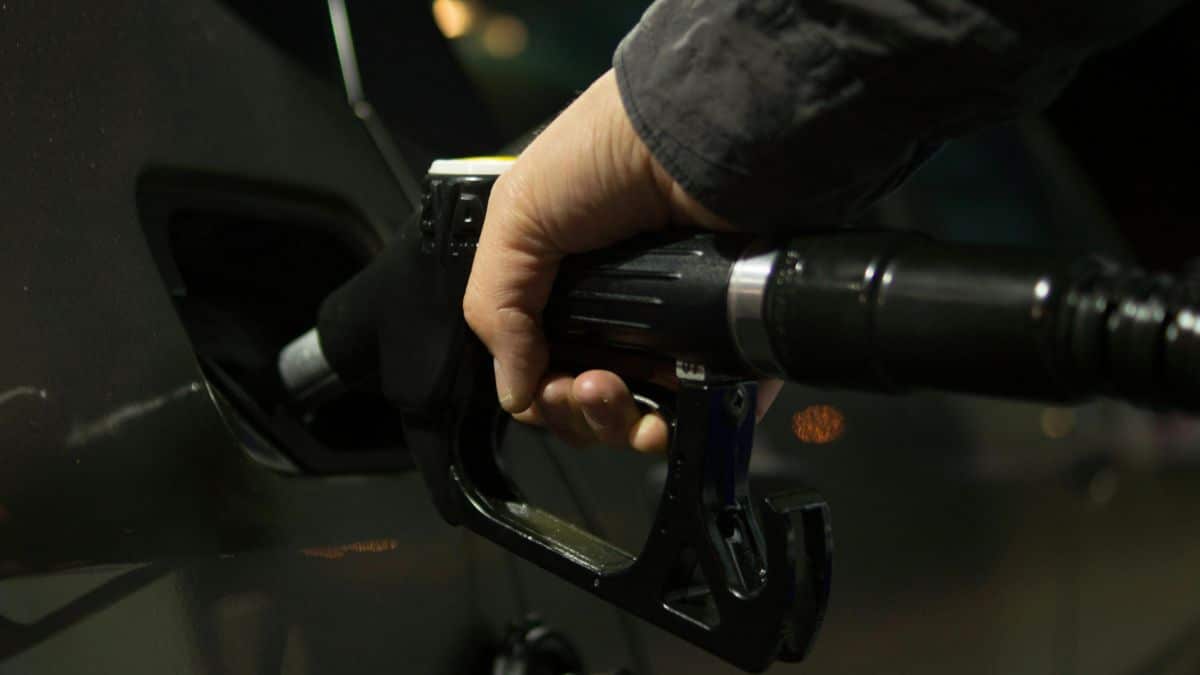
As the sun sets today, global energy markets are witnessing a massive “red alert.” The escalating military tension between Israel and Iran is no longer just a headline on international TV. It is a brewing crisis that could lead to a sudden petrol price rise at Indian pumps as early as tomorrow morning. If you are planning a long drive this weekend, you might want to head to the fuel station tonight.
Here are the 3 critical reasons why the Middle East conflict is about to make your commute more expensive.
1. The Supply Route Risk: Why One Narrow Waterway Controls Oil Prices
The biggest fear for oil traders right now is the Strait of Hormuz. This narrow waterway is the world’s most important oil artery. Nearly 21 million barrels of oil pass through it every single day.
- The Risk: Iran has significant influence over this route. If the conflict leads to a blockade or even a minor disruption in shipping, the global supply of oil will vanish almost instantly.
- The Result: When supply drops and demand stays high, prices skyrocket. Even the fear of a shutdown has already pushed Brent Crude prices toward the $100 per barrel mark.
2. India’s Heavy Reliance on Imports (The 80% Rule)
Why does a war thousands of miles away matter to a commuter in Ludhiana or Delhi? It’s because of India’s energy structure.
- The Data: India imports more than 85% of its crude oil requirements. We are one of the world’s largest consumers, but we produce very little of our own oil.
- The Math: When the international price of oil rises by even $1, Indian oil marketing companies (like IOCL, BPCL, and HPCL) feel the pressure. To protect their margins, they often pass these costs down to the consumer. Experts suggest a potential hike of ₹2 to ₹4 per liter if the situation doesn’t stabilize by tonight.
3. The “War Premium” and Market Panic
In the world of finance, there is a term called the “War Premium.” This is an extra cost added to the price of oil purely based on uncertainty.
- The Panic: Investors hate uncertainty. Right now, speculators are buying oil in bulk, fearing that tomorrow might bring even worse news. This “panic buying” creates an artificial spike in prices.
- The Ripple Effect: It’s not just petrol. If fuel prices rise tomorrow, the cost of transporting milk, vegetables, and e-commerce packages will also go up. This could lead to a sudden jump in your overall monthly kitchen budget.
Beyond the Petrol Price Rise: Why Your Kitchen Budget is at Risk
A hike in fuel prices is never just about your car or bike. Because India moves the majority of its goods by road, a rise in diesel prices triggers a “domino effect” that eventually lands on your dining table. Here is how it will affect your daily costs:
1. Skyrocketing Vegetable & Milk Prices
Most of our fresh produce, like tomatoes, onions, and vegetables, travels hundreds of kilometres from farms to city markets in diesel-run trucks.
- The Impact: Transporters usually pass on 100% of the fuel hike to the traders.
- The Result: When transport costs go up by even 5–10%, you will see a direct increase in the price per kilo of essential vegetables. Your weekly grocery bill could jump by ₹200–₹500 almost instantly.
2. The LPG Crisis & Cooking Costs
It’s not just petrol. Tensions in the Middle East have already disrupted LPG shipments.
- Current Trend: Domestic LPG prices in Delhi recently saw a sharp ₹60 hike, bringing the cost to ₹913 per cylinder.
- The Danger: If the conflict continues, commercial gas prices (used by restaurants and cloud kitchens) will soar. This means your favorite Zomato or Swiggy orders will likely become more expensive as restaurants add “fuel surcharges” to their menus.
Breaking: Second Tanker Clears Conflict Zone, Lands in Gujarat to Ease Fuel Gap
3. Higher Commute & Delivery Fares
If you rely on auto-rickshaws, cabs, or even bus travel, prepare for a squeeze.
- Public Transport: State transport buses and private operators often revise fares when diesel crosses a certain threshold.
- Delivery Services: For freelancers and gig workers, like delivery partners, higher petrol costs mean they earn less per trip. To keep them on the road, platforms may introduce a “Fuel Surge Fee” on every delivery you book.
Final Verdict: Should You Refill Your Tank Today?
The current situation is no longer about “possible” trends; we are in the middle of a global energy shock. With Brent crude skyrocketing past $115 per barrel and nearly 20% of the world’s oil supply paralyzed at the Strait of Hormuz, the pressure on Indian Oil Marketing Companies (OMCs) has reached a breaking point.
While the Indian government has used strategic reserves to keep prices steady over the last few days, the scale of today’s escalation, including attacks on major refineries in Saudi Arabia and Qatar, makes a retail price hike almost inevitable. In the “Daily Pricing” system, any global surge today is reflected at your local petrol pump at 6:00 AM tomorrow.
Join the Discussion!
The Big Question: Do you think the government should provide a “fuel subsidy” during international wars to protect the common man’s kitchen budget? Drop your thoughts in the comments below!
Help a Friend: Know someone with a long commute or a delivery business? Share this article via WhatsApp to help them save on their fuel costs tonight!
Stay connected with Flash Trend News for more real-time updates on the market and global economy.

Pooja Gautam is a news journalist and digital content writer at Flash Trend News, with experience in covering real-time updates and trending stories. She reports on Indian politics, world affairs, cricket and IPL, technology, health, and lifestyle topics.
She is known for delivering clear, accurate, and reader-friendly news content that helps audiences stay informed in a fast-moving digital world. Her focus is on simplifying complex news and presenting it in an easy-to-understand format for everyday readers.
Through Flash Trend News, Pooja aims to provide fast, reliable, and trustworthy news coverage for Indian audiences.