Rising kitchen expenses are becoming a serious concern for many Indian households in 2026. From costly LPG cylinders to increasing daily needs, families are finding it harder to manage their monthly budgets. Cooking, once a basic routine, is now an area where people are actively trying to save money.
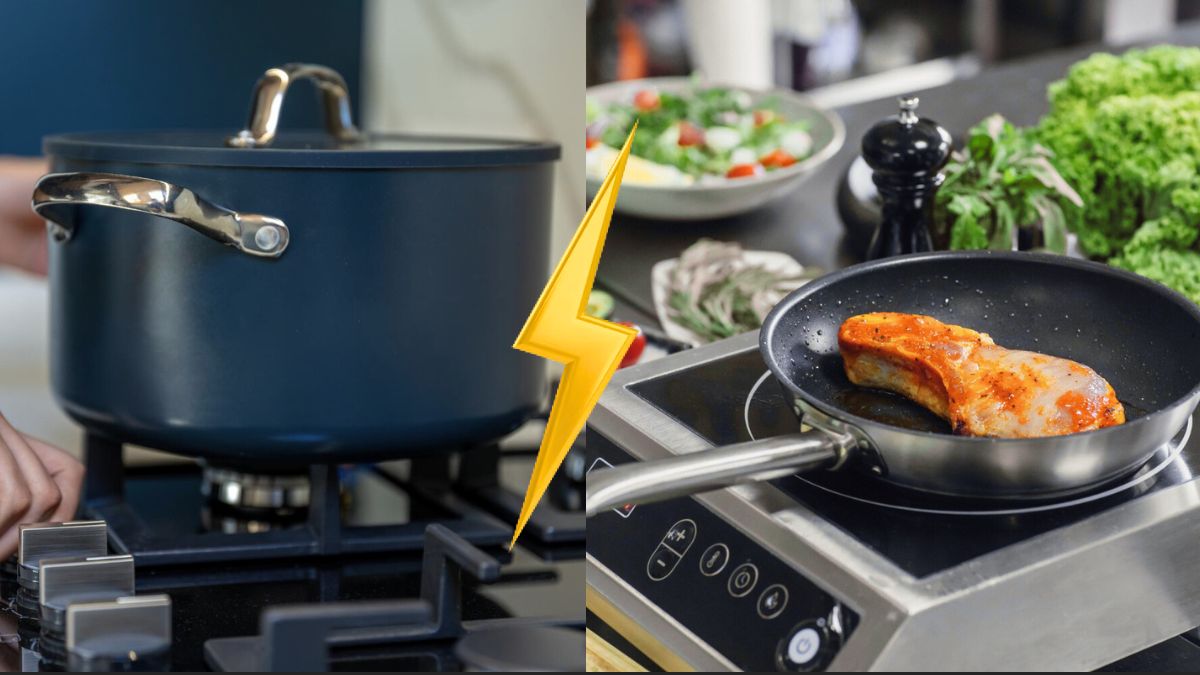
With electricity easily available in cities, many households are now considering induction cooktops as an alternative to traditional gas stoves. At the same time, gas remains a trusted and widely used option across the country.
The Induction vs Gas debate is gaining attention as people look for a more affordable and practical way to manage everyday cooking expenses.
Induction vs Gas Stove: Cost Comparison
| Factor | Induction Cooktop | Gas Stove (LPG/PNG) |
| Initial Cost | ₹2,000 – ₹5,000 (one-time purchase) | ₹1,000 – ₹3,000 (stove) + cylinder connection |
| Setup Requirement | No installation needed | Requires cylinder or pipeline setup |
| Running Cost | Lower (₹6–₹10/unit electricity) | Higher (₹900–₹1100 per LPG cylinder) |
| Energy Efficiency | High (85–90%) | Moderate (55–60%) |
| Monthly Expense | ₹300 – ₹700 (approx.) | ₹900 – ₹1100 (1 cylinder/month avg.) |
| Cooking Speed | Faster (direct heat transfer) | Slower compared to induction |
| Maintenance | Very low | Moderate (refills, servicing) |
| Safety | Very safe (no flame, auto shut-off) | Risk of gas leakage, open flame |
| Power Dependency | Requires electricity | Works without electricity |
What Are Households Paying Today?
For most families, an LPG cylinder priced between ₹900 and ₹1100 lasts about a month. This creates a fixed monthly expense that households must plan for carefully.
In comparison, induction cooktops run on electricity. With average electricity rates between ₹6 and ₹10 per unit, the monthly cooking cost usually stays between ₹300 and ₹700, depending on usage.
A Delhi-based homemaker, Sunita Sharma, shares her experience:
“Earlier, we used only gas. Now we use induction for daily cooking like tea and vegetables. Our gas cylinder lasts longer, and we save money.”
Why Induction Is Becoming Popular?
Induction cooktops are becoming increasingly popular in Indian households, especially in cities where people are looking for faster, safer, and more cost-effective cooking options. With rising fuel costs and busy lifestyles, many families are shifting towards solutions that save both time and money.
- High efficiency: Heat is generated directly in the utensil, so less energy is wasted
- Faster cooking: Food cooks quicker compared to traditional gas stoves
- Lower electricity use: Efficient heating helps reduce overall power consumption
- Time-saving: Ideal for working families with tight schedules
- Better safety: No open flame and features like automatic shut-off reduce risks
This combination of convenience, safety, and savings is driving more households to adopt induction cooking in 2026.
Top 5 Best Induction Cooktops in India (2026) – Affordable & High-Quality Picks
Where Gas Still Has the Edge
Despite the benefits of induction, gas stoves continue to be a preferred choice in many Indian households, especially outside urban areas. With kitchen expenses rising and concerns around electricity cost for cooking, many families still rely on gas for its reliability and ease of use.
One of the main reasons is that gas does not depend on electricity. In areas where power cuts are common, gas stoves provide uninterrupted cooking, making them more dependable for daily use. This is especially important when the LPG cylinder price in India is already a key part of monthly planning.
Gas is also better suited for traditional cooking. Dishes like rotis, frying, and high-heat cooking are easier to manage on a direct flame, which many households are already comfortable with when managing their daily cooking cost comparison.
- Works without electricity: Reliable during power cuts
- Better for traditional cooking: Ideal for rotis and frying
- Suitable for heavy use: Convenient for large families
- Easily available: Common across rural and semi-urban areas
Because of these reasons, gas stoves still remain a practical and trusted option for many households in 2026, especially when managing overall household expenses in India.
What Experts Say
Experts say that induction cooking is likely to grow in the coming years, especially in cities where electricity is easily available. As kitchen expenses rising becomes a concern, many families are looking for more affordable cooking options.
“Induction cooking is more efficient and cost-effective in the long run. However, electricity availability will decide how quickly people switch,” an expert said.
At the same time, experts believe gas will still be widely used, especially in areas where power supply is not reliable.
Final Verdict for the Common Man
- If you live in a city with stable electricity, induction is cheaper and more convenient
- If you face frequent power cuts, gas remains a reliable option
- For most households, the best approach is to use both to balance cost and convenience
Conclusion
In 2026, the rising cost of cooking in India is pushing households to rethink their everyday choices in the kitchen. While induction cooktops are proving to be a more cost-effective and efficient option in urban areas, gas stoves continue to remain a reliable solution, especially where electricity supply is uncertain.
The Induction vs Gas debate clearly shows that there is no one-size-fits-all answer. For many families, the smartest approach is to use both options based on their needs and availability.
As kitchen expenses rising continues to impact household budgets, the focus is shifting toward practical and affordable solutions that help save money without affecting daily life.
For more such useful updates and simple guides on everyday savings, keep reading Flash Trend News.
Frequently Asked Questions
What is the induction vs gas cost comparison in India?
Induction cooking typically costs around ₹300–₹700 per month, while gas costs ₹900–₹1100 per cylinder. This makes induction a more affordable option for regular cooking, especially in urban households with stable electricity supply.
Which is better for daily cooking: induction or gas?
Induction is better for quick, efficient, and low-cost cooking, while gas is more suitable for traditional meals and areas with frequent power cuts. The choice depends on your cooking style, location, and daily usage needs.
Is cooking on induction cheaper than gas?
Yes, cooking on induction is generally cheaper because it uses electricity more efficiently. It reduces energy wastage and helps lower overall cooking costs compared to gas stoves, especially in cities with reasonable electricity rates.
What is the running cost of induction vs gas in India?
Induction has a lower running cost due to high efficiency and controlled electricity usage. Gas costs depend on LPG prices, which are higher and fluctuate, making monthly cooking expenses more expensive compared to induction cooking.
Should I switch completely to induction or use both?
Many households prefer using both induction and gas together. This approach helps save money on daily cooking while ensuring convenience during power cuts and flexibility for traditional or heavy cooking needs.
Which is safer: induction or gas stove?
Induction cooktops are considered safer because they do not use open flames and come with safety features like auto shut-off. This reduces the risk of fire accidents and gas leakage, making them safer for modern homes.
Does induction increase electricity bills significantly?
Induction does increase electricity usage, but the overall cooking cost remains lower due to its efficiency. The savings from reduced gas usage often balance or outweigh the slight increase in electricity bills.
Is induction suitable for Indian cooking?
Induction is suitable for most Indian dishes, including boiling, frying, and curries. However, some traditional cooking methods like making rotis or high-flame cooking are still easier and more convenient on gas stoves.

Pooja Gautam is a news journalist and digital content writer at Flash Trend News, with experience in covering real-time updates and trending stories. She reports on Indian politics, world affairs, cricket and IPL, technology, health, and lifestyle topics.
She is known for delivering clear, accurate, and reader-friendly news content that helps audiences stay informed in a fast-moving digital world. Her focus is on simplifying complex news and presenting it in an easy-to-understand format for everyday readers.
Through Flash Trend News, Pooja aims to provide fast, reliable, and trustworthy news coverage for Indian audiences.